TRAVEL GUIDE TO IRELAND
This is your ultimate travel guide to Ireland!
CAPITAL: DUBLIN
On 6 December 1922, a year after the signing of the Anglo-Irish Treaty, the territory of Southern Ireland left the UK and became the Irish Free State, now the Republic of Ireland.
The United Kingdom, therefore, includes England, Scotland, Wales, and Northern Ireland.
Ireland is a member of the European Union and is a founding member of the Council of Europe and the OECD.
When you think of Ireland, you most probably think of rain and pubs on every street. The first thing Ireland is famous for is The Emerald Island and its shades of green.
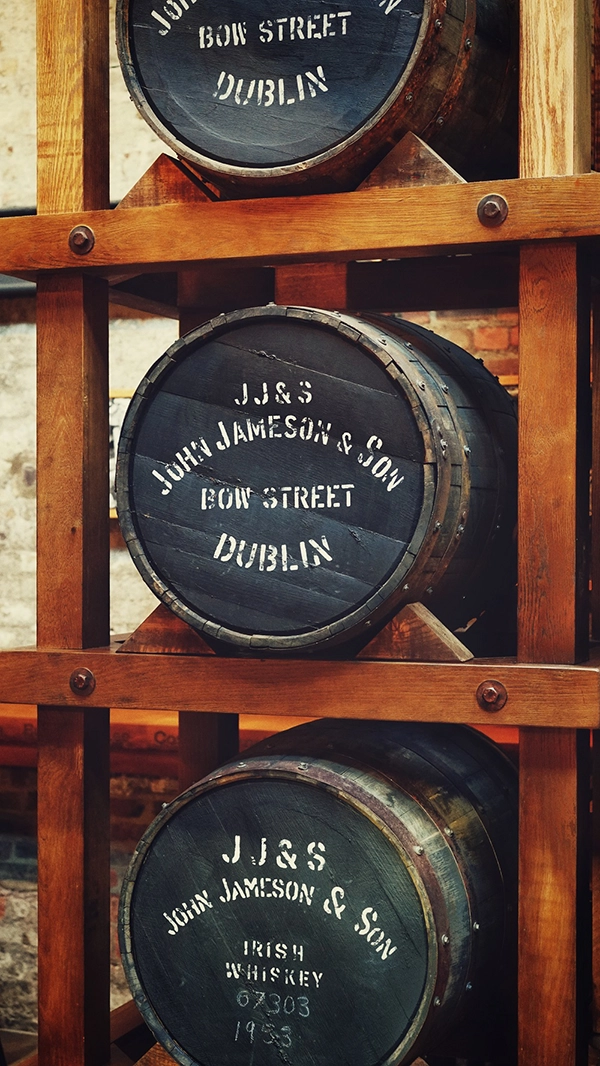
Along with Guinness beer and pubs playing traditional Irish music, you can find beautiful parks, castles, high-end shopping (yes, not only in London), majestic lakes, cliffs that drop down into the sea, and roads that invite you on a road trip.
The best way to explore the country is to rent a car and hit the road to stops like Dublin, the Cliffs of Moher, the Ring of Kerry, Cork, and Galway. And enjoy a pint or two along the way with one of the traditional Irish toasts:
“May your troubles be less, and your blessings be more. And nothing but happiness come through your door.”
“To all the days here and after, may they be filled with fond memories, happiness, and laughter.”
“May the best day of your past be the worst day of your future.”
Say Helly on Ireland:
Dia dhuit = Hello in Irish Gaelic


When in IRELAND
YOUR TRAVEL GUIDE
European Union: EU is a political and economic union that comprises 27 states members. EU Citizenship is afforded to all citizens of member states, in addition to national citizenship. giving them rights, freedoms, and legal protections available under EU law. EU citizens have freedom of movement and the freedom of settlement and employment across the EU.
EU members have the right to consular protection by embassies of other EU member states if their country is not represented by an embassy or consulate in the foreign country in which they require protection or other types of assistance.
Currency:
Ireland is one of the 19 states member that has EURO currency. If visiting Northern Ireland, you will find the currency is the Pound, as they are part of the UK.
Language: Irish is recognized as the official language of Ireland but most locals speak English. However, be prepared to come across some interesting slang and thick accents. I personally don’t understand much.
Connexion: The Internet is at a very good speed. Wi-Fi connection everywhere you go, free or on demand. If you are from the EU, roaming is free of charge. You can call and connect to your mobile data as if you were in your country of origin without extra costs.
ATM: There are plenty of ATMs in Ireland, but it would be best to have some cash on you. The ATMs are on the main streets of every town and city and are labeled as “Cashpoint.”
Railroads: The rail network covers Belfast, Cork, Limerick, Galway, Kerry, Mayo, Sligo, Waterford, Wexford, and many more counties around Ireland. The fastest trains in Ireland are Mark 4 of the Intercity fleet, connecting Dublin and Cork and boasting a top speed of 200 km/h (125 mph).
Plugs: The plugs in Ireland are type G. The standard voltage is 230 V, and the standard frequency is 50Hz.

Best Time to visit
Ireland’s weather is very mild and temperate, making it a destination that can be enjoyed year-round. However, do expect some rain showers, no matter what time of year! The best time to visit Ireland is between March and May, and September to November when it’s not as crowded as it is in summer, or as cold as it is in winter.
The wettest months, almost everywhere are December and January. April is the driest month generally but in many southern parts, June is the driest.
WINTER in Ireland is characterized by daily drizzles and short daylight hours. January and February are the coldest months of the year, and daily air temperatures fall between 4 and 7 °C (39.2 and 44.6 °F)
BEST HOTEL DEALS

UNITED KINGDOM & IRELAND SOLO TRAVEL REPORTAGE


Warning: imagecreatefromwebp(/home/alinablaga/public_html/wp-content/uploads/2022/10/travel-guide-to-the-united-kingdom-phone.webp): Failed to open stream: No such file or directory in /home/alinablaga/public_html/wp-content/themes/themify-ultra/themify/img.php on line 728


DON'T MISS OUT ON THIS

Travel Guide to Ireland
TRAVEL GUIDE TO IRELAND This is your ultimate travel guide to Ireland! CAPITAL: DUBLIN On 6 December 1922, a year after the signing of the Anglo-Irish Treaty, the territory of Southern Ireland left the UK and became the Irish Free State, […]

Travel Guide to Palawan
TRAVEL GUIDE TO PALAWAN THE BEST TIME TO VISIT THE PHILIPPINES The Philippines, officially the Republic of the Philippines, became a Spanish colony during the 16th century. They were ceded to the US in 1898 following the Spanish-American War. In 1935 […]

TRAVEL GUIDE TO LA GOMERA


Travel Guide to New Zeeland
TRAVEL GUIDE to NEW ZEELAND This is your ultimate travel guide to New Zeeland! CAPITAL: WELLINGTON New Zeeland will captivate you with its unique natural wonders and exotic wildlife. The amazing National Parks, glacier trekking, and many extreme sports put New […]

Travel Guide to Belgium
TRAVEL GUIDE to BELGIUM This is your ultimate travel guide to Belgium! CAPITAL: BRUSSELS Belgium is home to the best beer, true French- fries (called frites), and chocolate in the world. With more than 3 000 castles to explore, battlegrounds […]

Travel guide to Central America
TRAVEL GUIDE to CENTRAL AMERICA This is your ultimate travel guide to Central America! Central America consists of seven countries: Guatemala, Belize, El Salvador, Honduras, Nicaragua, Costa Rica, and Panama, and has quickly become a top destination for jungle adventures, […]

Travel Guide to Manila
TRAVEL GUIDE TO MANILA THE BEST TIME TO VISIT THE PHILIPPINES The Philippines, officially the Republic of the Philippines, became a Spanish colony during the 16th century. They were ceded to the US in 1898 following the Spanish-American War. In 1935 […]